Workforce Demographics as Strategy: Why Young, Urbanizing Markets Are Reshaping Global Service Delivery

Where will sustainable talent come from over the next 5 to 10 years?
Demographics are becoming strategy.
For organizations evaluating nearshore outsourcing in Honduras, this shift is critical. It reframes the decision from short-term efficiency to long-term capacity.
The Global Workforce Is Changing
Across many traditional outsourcing markets, demographic trends are tightening talent supply.
In several regions, populations are aging. Workforce growth is slowing. Competition for skilled labor is increasing.
At the same time, demand for services continues to rise. Digital transformation, customer experience expectations, and global business expansion are all increasing the need for talent.
This creates a gap.
The question is no longer whether talent exists today, but whether it will continue to exist at scale tomorrow.
Latin America’s Demographic Advantage
Latin America stands out in this context.
The region benefits from:
A relatively young population
Growing urban centers
Increasing access to higher education
Expanding digital connectivity
These factors create a labor market that is not only available today, but still developing.
Unlike saturated markets, many countries in Latin America are still building their professional workforce pipelines.
That matters for companies thinking long term.
Urbanization: Why Talent Is Concentrating
One of the most important trends shaping workforce availability is urbanization.
Talent is moving toward cities.
Urban centers concentrate:
Universities
Infrastructure
Technology access
Professional opportunities
This concentration creates stronger labor ecosystems.
Instead of scattered talent pools, companies can access dense, organized workforces in specific locations.
In nearshore outsourcing in Honduras, cities like San Pedro Sula play this role. As a commercial and industrial hub, it attracts workforce mobility from across the country.
Urban concentration makes hiring more efficient — but more importantly, it makes scaling more sustainable.
University Output and Workforce Development
Another key factor is education.
The growth of universities and technical programs across Latin America is expanding the talent pipeline year by year.
Graduates are entering the workforce with:
Bilingual capabilities
Business process knowledge
Technical skills
Digital familiarity
This is not a static workforce. It is a growing one.
In Honduras, partnerships between industry and education are increasingly shaping workforce readiness. Companies are not just hiring talent — they are influencing how talent is developed.
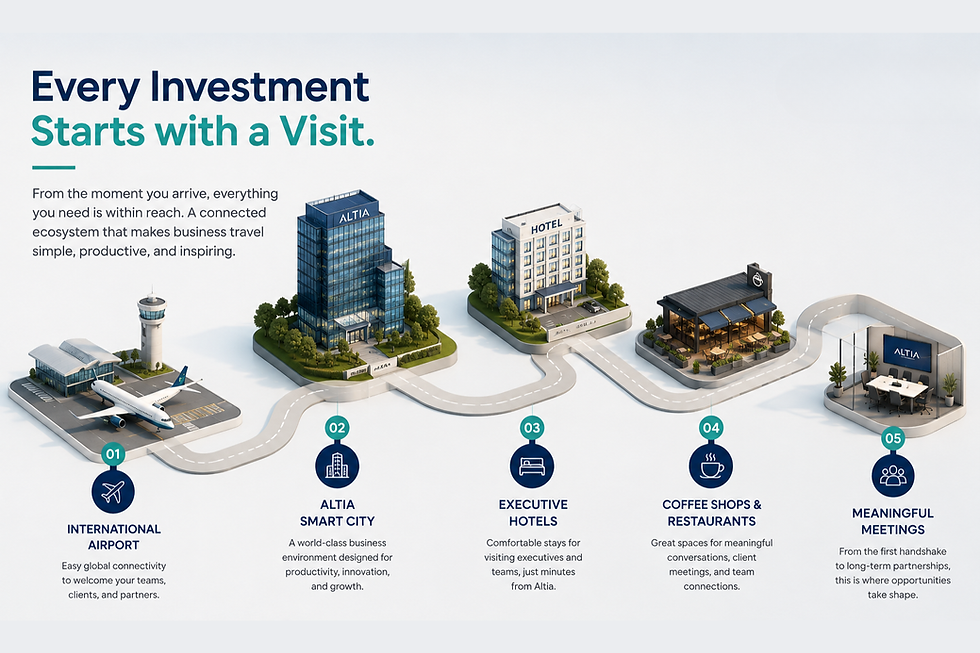
Within structured environments like Altia Smart City, proximity to universities and training initiatives strengthens this pipeline.
This creates continuity.
Not just hiring today, but hiring tomorrow.
Digital Adoption and Workforce Readiness
Younger generations in Latin America are entering the workforce already connected.
They are familiar with:
Digital platforms
Remote collaboration tools
Customer interaction technologies
AI-assisted workflows
This reduces training friction.
Instead of building digital capability from scratch, companies are working with a workforce that already understands the tools of modern business.
For nearshore outsourcing in Honduras, this is particularly relevant as operations become more technology-driven.
Digital readiness accelerates integration.
Generational Expectations Are Shaping Retention
Demographics do not only influence supply. They influence behavior.
Younger workforces bring different expectations:
Career progression opportunities
Continuous learning
Stable and professional environments
Purpose and growth, not just compensation
Companies that align with these expectations retain talent longer.
Those that do not experience higher turnover.
This makes workforce strategy more complex. It is not just about hiring, but about building environments where people choose to stay.
In mature ecosystems, these expectations are easier to meet because infrastructure, culture, and career pathways are already in place.
From Labor Supply to Labor Sustainability
The key shift is this:
Companies are no longer evaluating labor supply.They are evaluating labor sustainability.
Supply answers the question:Can we hire today?
Sustainability answers:Can we keep hiring and growing over the next decade?
This includes:
Population trends
Education output
Urban concentration
Workforce expectations
Economic development
Nearshore outsourcing in Honduras offers advantages across these dimensions. It is not a fully saturated market, which allows for continued growth without immediate pressure on wages or availability.
This creates a longer runway for expansion.
Why Demographics Influence Strategic Decisions
For executives, demographics are not abstract statistics. They shape real outcomes.
They affect:
Scalability
Retention
Cost stability over time
Leadership pipeline development
Long-term operational viability
A market with strong demographics allows companies to plan with confidence.
A market without them introduces uncertainty.
That is why workforce analysis is becoming part of board-level discussions, especially in large-scale outsourcing strategies.
Honduras as a Long-Term Capacity Play
Honduras is increasingly being evaluated not just as a nearshore option, but as a long-term capacity solution.
Its advantages include:
A young and growing workforce
Increasing urban concentration in cities like San Pedro Sula
Expanding bilingual and professional talent pools
A developing but structured outsourcing industry
Within Altia Smart City, these elements come together in a way that supports both current operations and future growth.
Companies are not entering a fragmented market. They are operating within an environment that connects talent, infrastructure, and business services.
That connection matters when planning beyond the next hiring cycle.
Final Perspective: Capacity Tomorrow Matters More Than Cost Today
Outsourcing decisions are evolving.
Cost remains relevant, but it is no longer the only driver.
Executives are looking ahead.
They are asking where talent will come from in five years. Where it will come from in ten.
They are evaluating markets based on their ability to sustain growth, not just support it initially.
For companies exploring nearshore outsourcing in Honduras, demographics are part of that answer.
They represent not just a workforce, but a trajectory.
And in a global market where demand continues to rise, the ability to grow consistently is not a short-term advantage.
It is a long-term strategy.
Within ecosystems like Altia Smart City, that strategy becomes tangible — not just access to talent today, but alignment with the workforce trends that will define tomorrow.