Benefits of natural light at work: Why Windowed Workspaces Power Health, Focus, and ROI

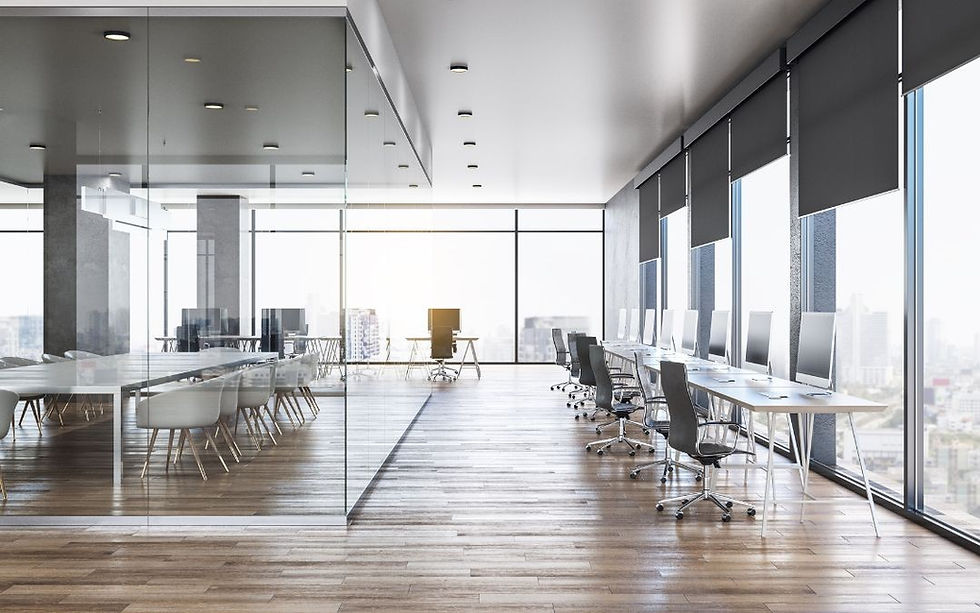
At Altia Smart City, one of our key advantages is that we provide workspaces designed with generous access to natural light through expansive windows—an essential factor for healthy, high-performing offices. Natural daylight is no longer a “nice-to-have” office perk. It’s a measurable driver of employee health, cognitive performance, and organizational value. Studies consistently show that access to daylight and views reduces eye strain, headaches, and drowsiness; improves sleep and mood; and lifts focus and task performance. For employers, those human gains convert into fewer errors, stronger engagement, and tangible financial returns—especially when you consider that people-related costs typically dominate operating budgets. This article distills the science and the standards behind daylighting and translates them into practical evaluation criteria for selecting or designing office space with generous window access.
Why Natural Light Belongs at the Top of Your Office Criteria
When business leaders rank workplace amenities, natural light reliably comes first with employees—and for good reason. Research summarized in Harvard Business Review underscores that workers with natural daylight report markedly fewer symptoms: a 51% drop in eyestrain, 63% fewer headaches, and 56% less drowsiness. Those aren’t soft, “nice-feel” benefits; they affect day-to-day output, accuracy, and well-being.
The Cornell University group led by Professor Alan Hedge reached a similar conclusion: optimizing daylight exposure in offices can reduce eyestrain, headaches, and blurred vision by as much as 84%. That’s a level of relief you can expect employees to notice—and appreciate—within days.
From an employer’s perspective, the economics are compelling. The World Green Building Council (WorldGBC) notes that staff costs (salaries and benefits) commonly account for ~90% of operating costs. If your largest expense is people, then the workplace factors that enhance their health and productivity—lighting chief among them—offer significant return potential.
The Science: Daylight, the Body Clock, and Better Performance
Our bodies run on a 24-hour circadian rhythm tuned by the light-dark cycle. Morning exposure to bright, daylight-spectrum light helps anchor that rhythm, promoting alertness by day and quality sleep at night. In office contexts, higher circadian-effective light in the morning is associated with faster sleep onset, stronger circadian alignment, and better sleep quality—especially in winter. That means coming to work more rested and ready to focus.
Sleep and alertness are not abstract concepts for knowledge workers—they translate directly into performance. The Well Living Lab (a Mayo Clinic–Delos collaboration) found that office areas with windows providing daylight and views improved workers’ cognitive performance and their satisfaction with the environment. Modern shading and glass strategies can manage glare while preserving the benefits of daylight exposure.
A landmark study from Northwestern University reached a simple, powerful finding: workers with windows received 173% more white light during work hours and slept, on average, 46 minutes more per night than those without windows. Better sleep supports memory consolidation, decision-making, and mood—all variables that underpin productive, low-error work.
Health and Well-Being: From Eye Comfort to Mood and Stress
Prolonged reliance on static artificial lighting can aggravate digital eye strain, especially in screen-based roles. Daylight—diffuse, dynamic, and full-spectrum—helps mitigate that strain when it’s controlled for glare. The Cornell and HBR-cited findings quantify the effect: fewer headaches and less drowsiness, which translates to fewer micro-breaks and better sustained attention on complex tasks. benefits of natural light at work
Beyond the eyes, there’s a well-documented link between light exposure, mood, and stress. Harvard’s coverage of green building research highlights that better building operations, including lighting quality, can support improved sleep and health outcomes—key contributors to resilience, lower stress, and higher job satisfaction. When employees feel physically well and mentally balanced, they collaborate better, solve problems more creatively, and remain with their employer longer.
Productivity and Cognitive Lift: What the Evidence Says
Productivity isn’t just speed; it’s precision, creativity, and the ability to sustain high-quality work. Daylight supports each of these. The Well Living Lab study reported higher cognitive scores in daylit, view-rich zones, signaling better decision-making and information processing. Coupled with fewer headaches and less drowsiness, daylight exposure creates a compounding effect: people can do more high-value work with fewer errors and less fatigue.
The WorldGBC’s global review ties lighting quality to measurable performance changes and frames a method for translating those changes into financial terms. By benchmarking absenteeism, presenteeism, and task throughput before and after daylight improvements (or across sites with different daylight access), companies can quantify ROI—often finding that even modest productivity gains dwarf utility savings.
From Perk to Policy: How Standards Encode Daylight Quality
Voluntary building standards have embedded daylight outcomes into their criteria because evidence has accumulated that it matters for human performance. The WELL Building Standard, for example, calls for demonstrable daylight autonomy: at least 55% of regularly occupied space should achieve 300 lux for at least half of operating hours (sDA300,50%). These metrics ensure that daylight isn’t an accident of design but an expected baseline.
Several WELL features also push for practical workstation planning—placing a high percentage of desks within a defined distance of exterior glazing—so daylight reaches not just corridors but the seats where people spend most of their day. In practice, that means analyzing floorplates, core depth, and façade design to ensure equitable light distribution across teams.
Selecting Office Space: A Practical Daylight Checklist for Decision-Makers
When touring buildings or comparing proposals, ask targeted questions and look for measurable indicators that correlate with real outcomes:
Window-to-Workstation ProximityWhat percentage of workstations sit within ~20–25 feet of exterior glazing? Higher coverage increases the likelihood that most employees benefit daily, aligning with WELL-aligned planning targets.
Spatial Daylight Autonomy (sDA) and Annual MetricsRequest daylight modeling demonstrating that a majority of occupied areas meet sDA300,50% or similar long-term metrics. Ask for glare probability analyses to ensure comfort, not just daylight quantity.
Glare and Heat Control StrategyConfirm that the façade system includes proper solar control—dynamic shading, high-performance glazing, and interior controls—to minimize glare while maintaining views. The Well Living Lab emphasizes that modern shading/tinting can maintain comfort without sacrificing daylight.
View Quality (Not Just Light Quantity)Views help provide visual relief, reduce mental fatigue, and support cognitive restoration. Seek lines of sight to daylight and the outdoors from as many seats as possible—supported by transparent partitions and low storage units. Evidence linking daylight and views to satisfaction and cognition is growing.
Evenness and DistributionDeep floorplates can trap interior zones in low light. Evaluate core depth and consider light wells, clerestories, or interior glass to carry light deeper into the plan.
Controls, Commissioning, and EducationPair daylight with tunable electric lighting for cloudy days, shoulder seasons, and early/late hours. Commission the system and train occupants so they know how to use blinds and task lights effectively—critical for maintaining circadian support in real-world conditions. Research on circadian-informed strategies continues to show performance and sleep benefits when artificial lighting complements natural light.
Performance Tracking and ROIUse WorldGBC’s health and productivity framework to track absenteeism, self-reported symptoms (eye strain, headaches), and key task metrics before and after move-in. It’s the surest way to make the business case felt in your P&L.
Addressing Common Concerns
“Won’t big windows cause glare and heat gain?”Not if you specify the façade intelligently. High-performance glazing, exterior shading, dynamic blinds, and thoughtful workstation orientation let you deliver daylight without discomfort. The Well Living Lab notes that modern shading and tinting can mitigate eyestrain by controlling glare.
“Isn’t this just a design trend?”The literature says otherwise. The combination of Cornell’s symptom reductions, Northwestern’s sleep gains, and global synthesis from WorldGBC points to durable, repeatable benefits—across climates and cultures. That’s why standards like WELL encode daylight targets and why occupiers now request daylight modeling in RFPs.
“We can simulate daylight with LEDs and skip windows.”Circadian-informed electric lighting can complement and improve conditions, but it’s most effective alongside real daylight and views. The latest sleep and circadian science emphasizes that dynamic, spectrum-appropriate light matters; windows deliver a wide, natural spectrum alongside connection to outside cues that electric systems still strive to emulate. Use both, not one or the other.
The Human Experience: Engagement, Retention, and Brand
Employees consistently rank natural light as a top workplace desire. As Harvard Business Review reports, daylight is often cited as the number one office perk—outranking cafés, gyms, and other costly amenities. This preference directly influences engagement and talent attraction: a bright, healthy environment signals that leadership takes well-being seriously, which supports employer branding and retention.
Meaningful access to windows also fosters micro-restoration—brief moments of looking away from screens to refocus, which reduces mental fatigue and helps teams sustain high-quality output over long periods. That translates to better client service, fewer errors in detail-heavy work, and improved morale.
Quantifying the Upside: Turning Daylight into Dollars
Because people costs dominate OPEX, even small improvements in productivity or reduced symptoms can outweigh rent differentials for higher-quality space. WorldGBC’s framework encourages occupiers to translate health and comfort improvements into financial terms—tracking changes in absenteeism/presenteeism and error rates after daylight-focused moves or retrofits. Combine those metrics with HR data on retention and recruiting speed to build a full ROI picture.
Consider this practical modeling approach:
Baseline: Measure symptom prevalence (eye strain, headaches), task throughput, and error rates in your current space.
Intervention: Move to or retrofit for a window-forward, glare-controlled layout with verified sDA.
Follow-Up: Re-measure after 3–6 months. If you see reductions similar to the Cornell and HBR-reported ranges (e.g., 50–80% drops in key symptoms), calculate productivity gains and healthcare utilization changes accordingly.
Even conservative assumptions on time saved, error reduction, or improved retention can justify an investment in a window-rich environment.
Design Moves that Maximize Daylight—Without Sacrificing Comfort
Daylight success isn’t about floor-to-ceiling glass alone; it’s about thoughtful integration:
Distribute Daylight Deep into the Plan: Use interior glazing, transoms, and low-partition furniture to carry light beyond the perimeter.
Orient Desks Intelligently: Align screens perpendicular to windows to reduce glare, pair with adjustable blinds, and provide localized task lighting for overcast days.
Balance Brightness: Keep luminance ratios in a comfortable range to avoid contrast-related eye strain.
Leverage Dynamic Controls: Automated blinds and tunable LEDs keep conditions comfortable while preserving circadian cues.
Validate with Modeling: Request simulations that demonstrate sDA and glare probability so you can verify comfort year-round, not just on sunny days. WELL’s daylight modeling requirements offer a clear benchmark.
What the Evidence Adds Up To
Drawing across peer-reviewed research, institutional reports, and building standards, a clear pattern emerges:
Health: Daylight access reduces eye strain, headaches, and drowsiness; supports better sleep; and improves overall well-being.
Performance: Cognitive scores and satisfaction rise in windowed, daylit environments; errors and fatigue decline.
Economics: With people costs representing the bulk of OPEX, even modest productivity and retention improvements produce strong ROI, reinforcing daylight as a strategic, not cosmetic, specification.
Standards and Accountability: WELL and related frameworks push for measurable daylight outcomes, helping occupiers hold buildings accountable for health-centric performance.
A Simple Framework for Your Next Space Decision
When daylight is treated as a first-class requirement—validated with metrics and backed by controls—organizations see outsized gains in health, focus, and financial performance. To make it actionable, bake these steps into your selection process:
Require Daylight Metrics in RFPs: Ask landlords for sDA results, glare analyses, and workstation-to-window proximity data.
Evaluate Real Desks, Not Just Renderings: Walk the floorplate, sit in likely team locations, and note direct views and potential glare issues.
Specify Controls Early: Include automated shading and tunable lighting in your build-out requirements to preserve comfort and circadian support.
Measure Outcomes Post-Move: Track the human metrics (symptoms, sleep quality via survey, satisfaction) and operational ones (errors, throughput) to quantify ROI and fine-tune settings.
Conclusion on benefits of natural light at work
Giving employees daily access to natural light through thoughtful windowed design is among the most effective, evidence-backed choices you can make for a high-performing, healthy workplace. The benefits stack—less eye strain and fewer headaches mean clearer thinking; better sleep fosters steadier mood and sharper decisions; and across a workforce, those improvements translate into meaningful business outcomes. With modern façade technologies and clear standards for modeling and verification, you don’t have to choose between comfort and performance; you can—and should—insist on both.
When you evaluate your next office, treat daylight as a strategic asset. Ask for the metrics. Validate the plan. And invest in the controls that keep conditions comfortable all year. Your people—and your balance sheet—will reflect the difference.